



Achievements
Highlighting the accomplishments, leadership, and lasting contributions that demonstrate our candidate’s commitment to serving Somalia.
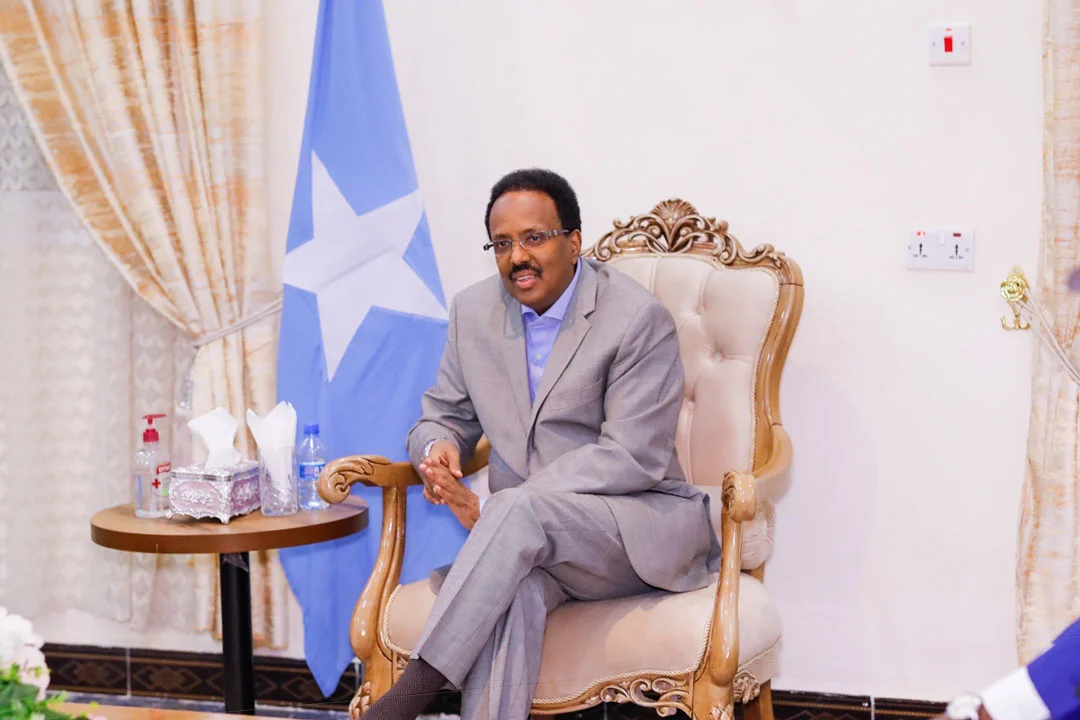
A Record of Reform, National Reconstruction and Public Service
During his tenure as the ninth President of the Federal Republic of Somalia, President Mohamed Abdullahi Mohamed Farmaajo led an administration focused on restoring state authority, strengthening national institutions, rebuilding the armed forces, protecting Somalia’s sovereignty and improving the delivery of public services.
The administration pursued reforms across security, justice, public finance, governance, diplomacy and social development. These efforts were guided by the objective of rebuilding a capable Somali state, restoring public confidence in statehood and ensuring that government becomes a driver of stability and national development.
Rebuilding National Security Institutions
President Farmaajo’s administration placed national security at the centre of its state-building agenda. It strengthened coordination among security institutions and developed and implemented the National Security Plan.
The government also:
- Reformed and registered security personnel;
- Advanced legislation governing the armed forces;
- Rebuilt security-sector facilities;
- Regularised salaries and strengthened the welfare of security personnel;
- Expanded military training and professional development;
- Increased the number and capacity of somali forces;
- Liberated many important areas;
- Advanced the somalia transition plan for the gradual transfer of national security responsibilities to Somali institutions.
All these efforts helped restore confidence and prestige in the Somali Armed Forces, supported gains against terrorist organisations, contributed to reducing crime and encouraged greater numbers of Somali youth to join the national forces.
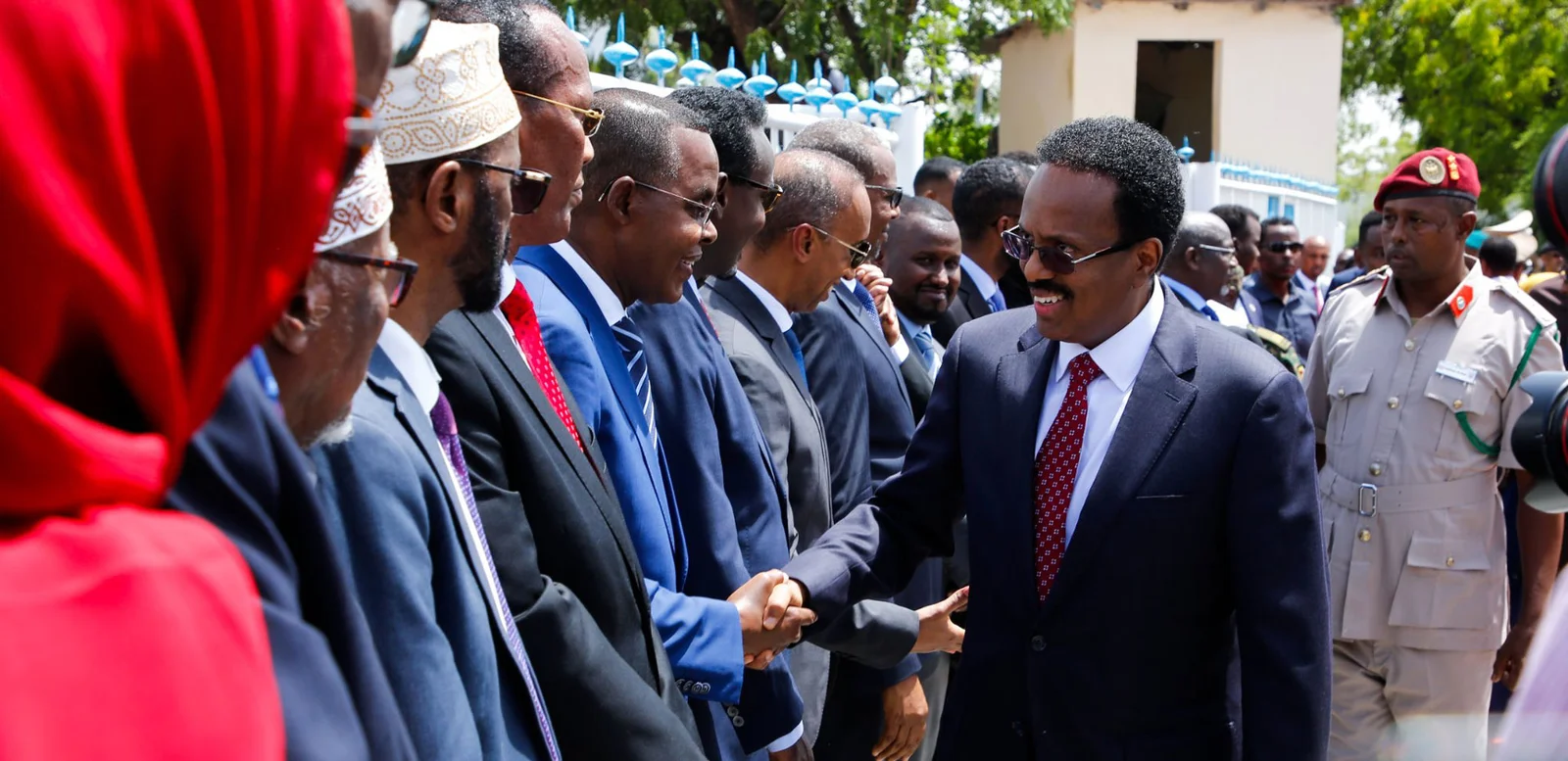
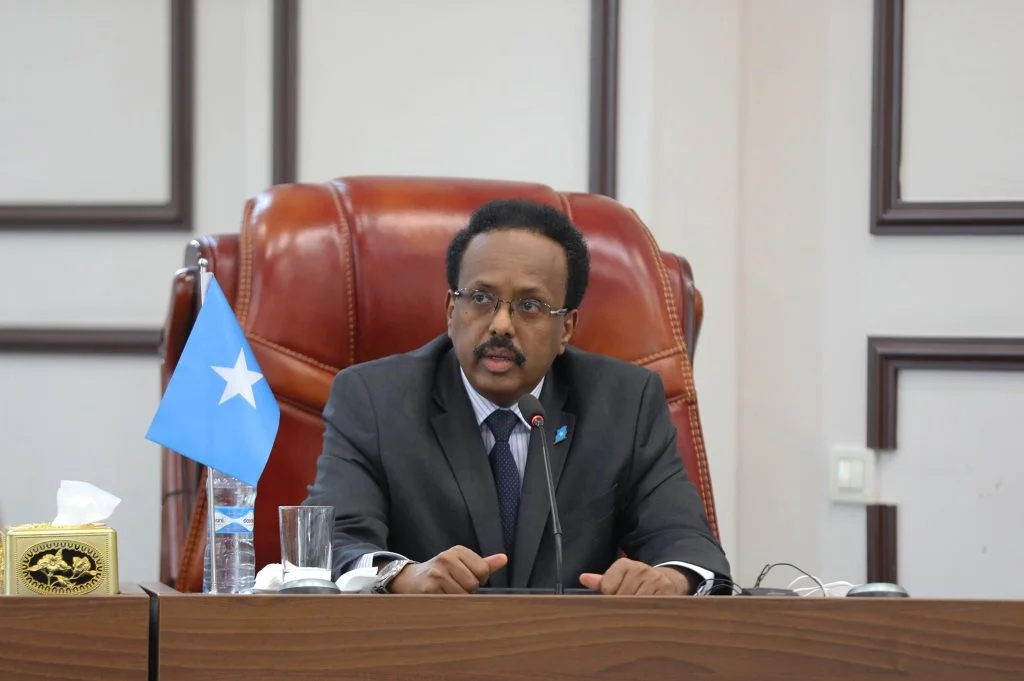
Strengthening Justice and the Rule of Law
The administration recognised that public confidence in government depends on access to fair, professional and independent justice.
Important progress included:
- Advancing the establishment of the Judicial Service Commission;
- Adopting laws and procedures supporting the justice system;
- Constructing prisons and rehabilitation facilities;
- Facilitating the return of Somali citizens imprisoned abroad;
- Appointing qualified and experienced judges; and
- Decentralising judicial services to improve public access.
These measures were intended to strengthen the rule of law, improve the administration of justice and rebuild citizens’ confidence in national institutions.
Public Financial and Economic Reform
President Farmaajo’s administration introduced significant reforms in public financial management and strengthened the role of national institutions in managing public resources.
Achievements included:
- Reforming the national financial system;
- Increasing the national budget and domestic revenue;
- Expanding budget support;
- Advancing somalia’s debt-relief process;
- Increasing the number of development projects incorporated into the national budget;
- Strengthening relations with national and international financial institutions;
- Combating corruption;
- Protecting public assets;
- Encouraging investment; and
- Developing economic infrastructure.
The administration also worked to ensure that international grants and development projects were processed through Somalia’s national financial-management system, strengthening government ownership, oversight and accountability.
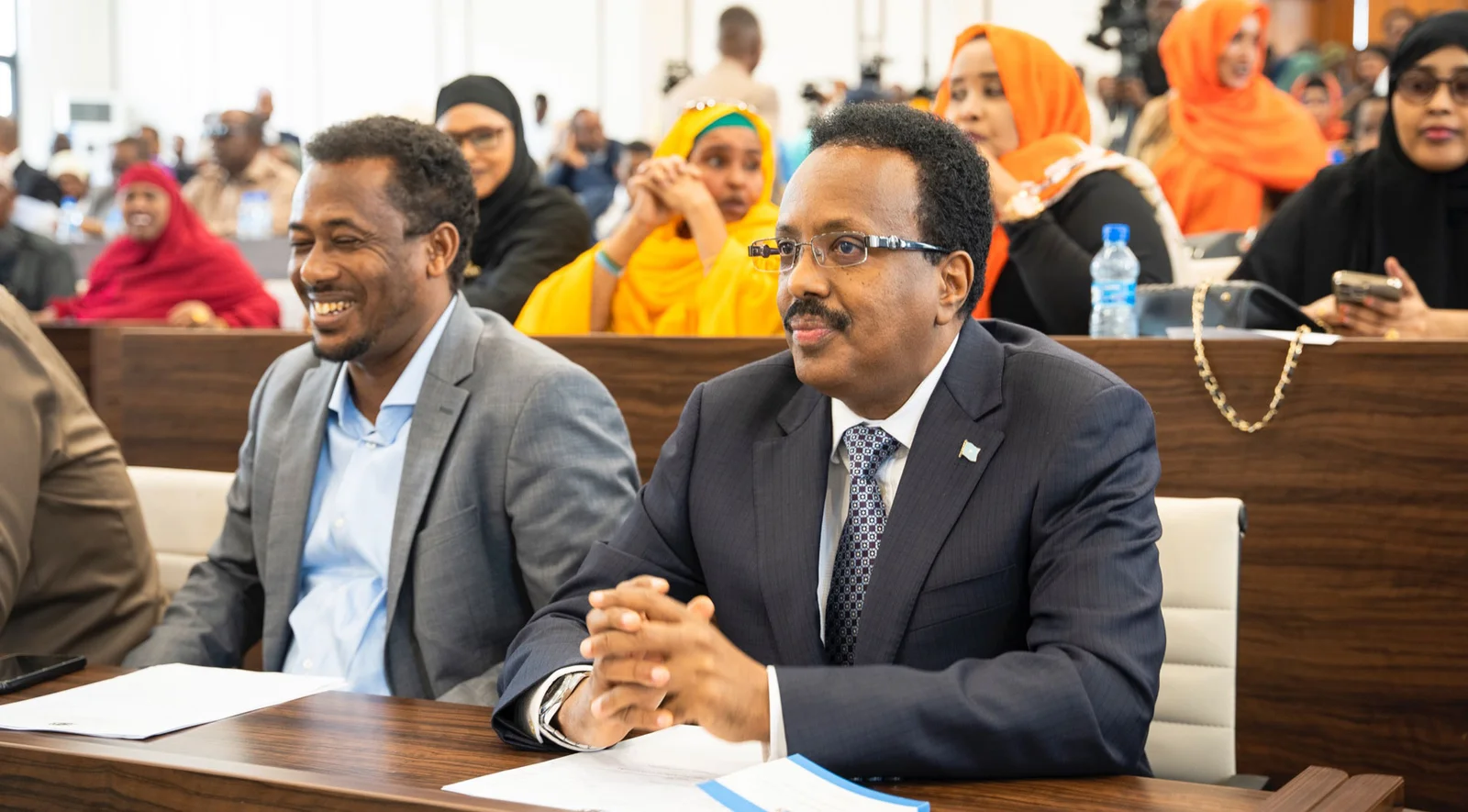
Strengthening Good Governance, National Unity and National Institutions
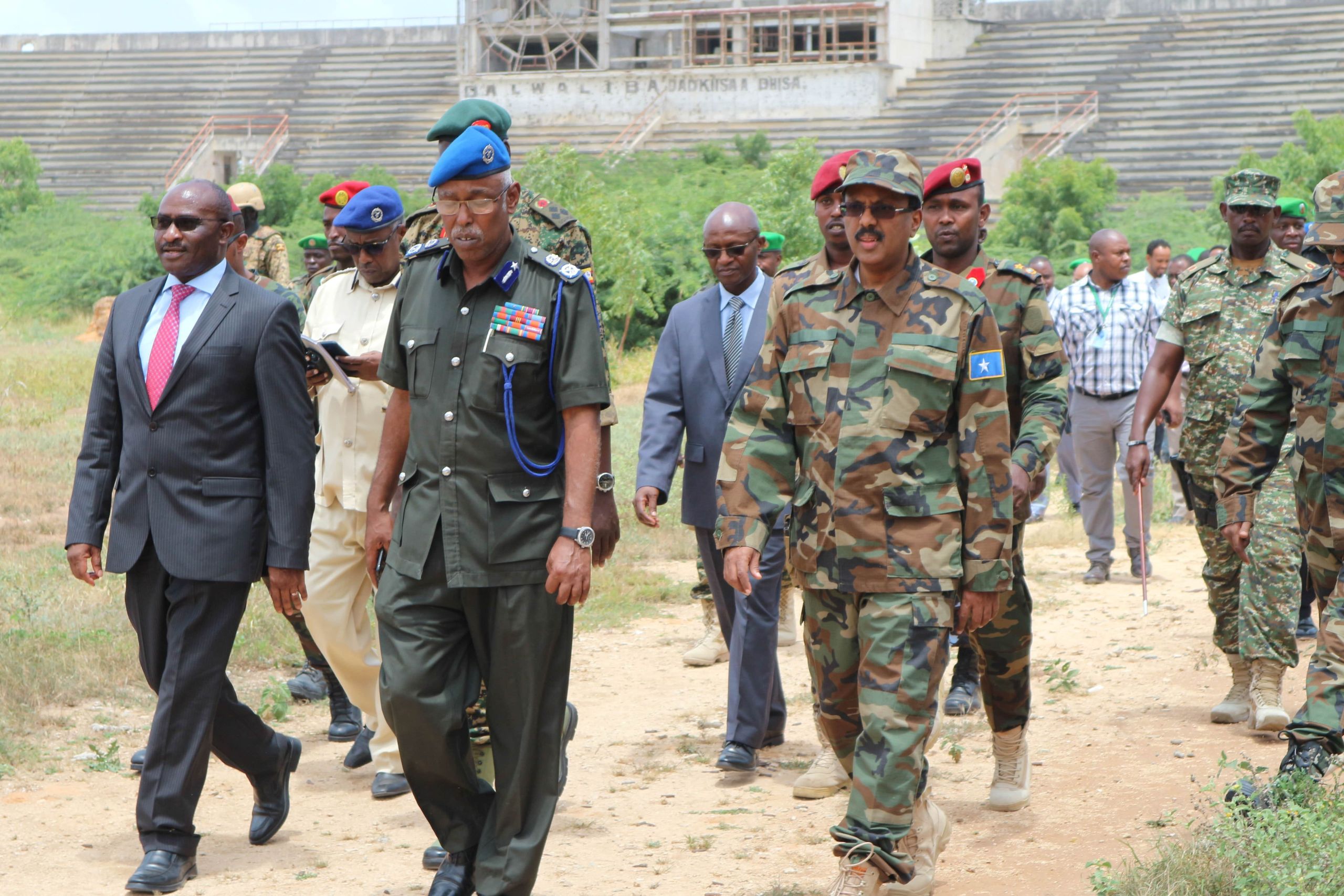
In domestic affairs and good governance, the administration implemented reforms to strengthen government institutions and national cohesion.
Its work included:
- Advancing national reconciliation;
- Ending conflicts and resolving longstanding social disputes, including the Galkayo peace process and the unification of the Galmudug sides;
- Accelerating dialogue with somaliland in pursuit of national unity;
- Extending and strengthening the federal system;
- Continuing the constitutional-review and completion process through an inclusive approach;
- Establishing and operationalising government institutions; and
- Implementing projects considered essential to citizens’ daily lives.
These efforts were designed to strengthen national unity, as well as the authority and effectiveness of government, while advancing the long-term objective of a united country with functioning and capable national institutions.
Restoring Somalia’s Diplomatic Standing
President Farmaajo’s administration pursued a foreign policy centred on safeguarding Somalia’s sovereignty, protecting the national interest and preserving the government’s independence in decision-making.
Key achievements included:
- Strengthening Somalia’s active diplomatic engagement;
- Expanding regional and international cooperation;
- Reinforcing the independence of Somalia’s foreign-policy decisions;
- Securing victory in Somalia’s maritime case;
- Increasing the country’s representation in international forums;
- Restoring national control over the management of Somali airspace;
- Joining international institutions and forums; and
- Advancing international legal instruments relevant to Somalia.
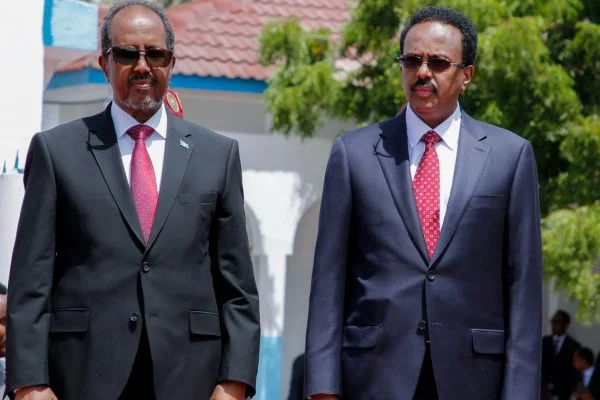
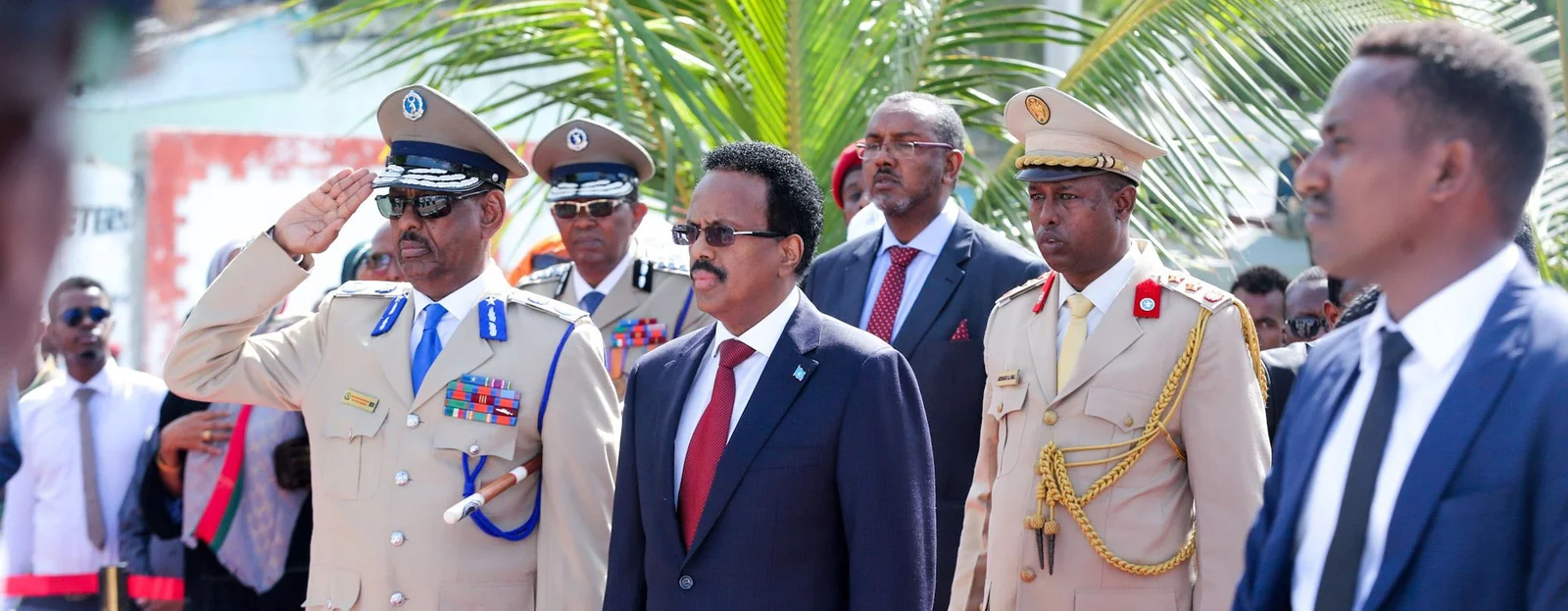
These diplomatic efforts contributed to restoring Somalia’s international profile and repositioning the country as a state capable of defending its interests and engaging the international community with greater confidence.
Protecting Sovereignty and National Interests
A central feature of President Farmaajo’s leadership was the protection of Somalia’s sovereignty and the alignment of foreign policy with national priorities.
His administration promoted international relations based on cooperation and mutual respect, while emphasising that Somalia’s relations with the world must protect the interests of the Somali people and government.
Improving Education, Health and Social Services
The administration regarded public service delivery as the most important measure of statehood. It therefore achieved tangible progress in education, healthcare, youth development and community infrastructure.
Notable achievements included:
- Building and strengthening public-service institutions;
- Improving the quality of healthcare services;
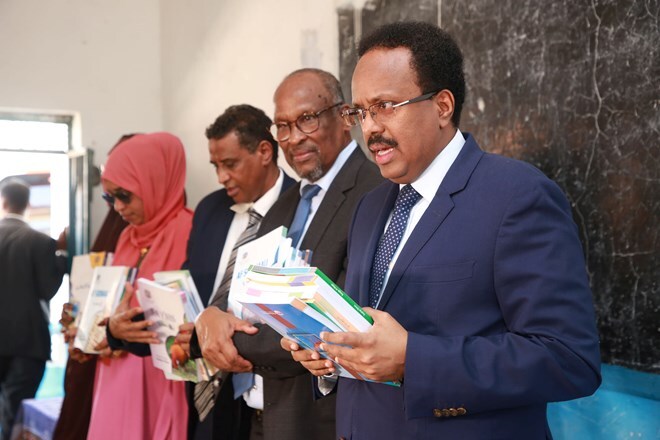
- Advancing educational standards, including opening free public schools for the first time since the collapse of the state;
- Expanding youth-development initiatives;
- Supporting employment creation; and
- Developing facilities serving communities and social programmes.
These efforts sought to ensure that government reform translated into practical improvements in the lives of Somali citizens.
The Is-Xilqaan National Initiative
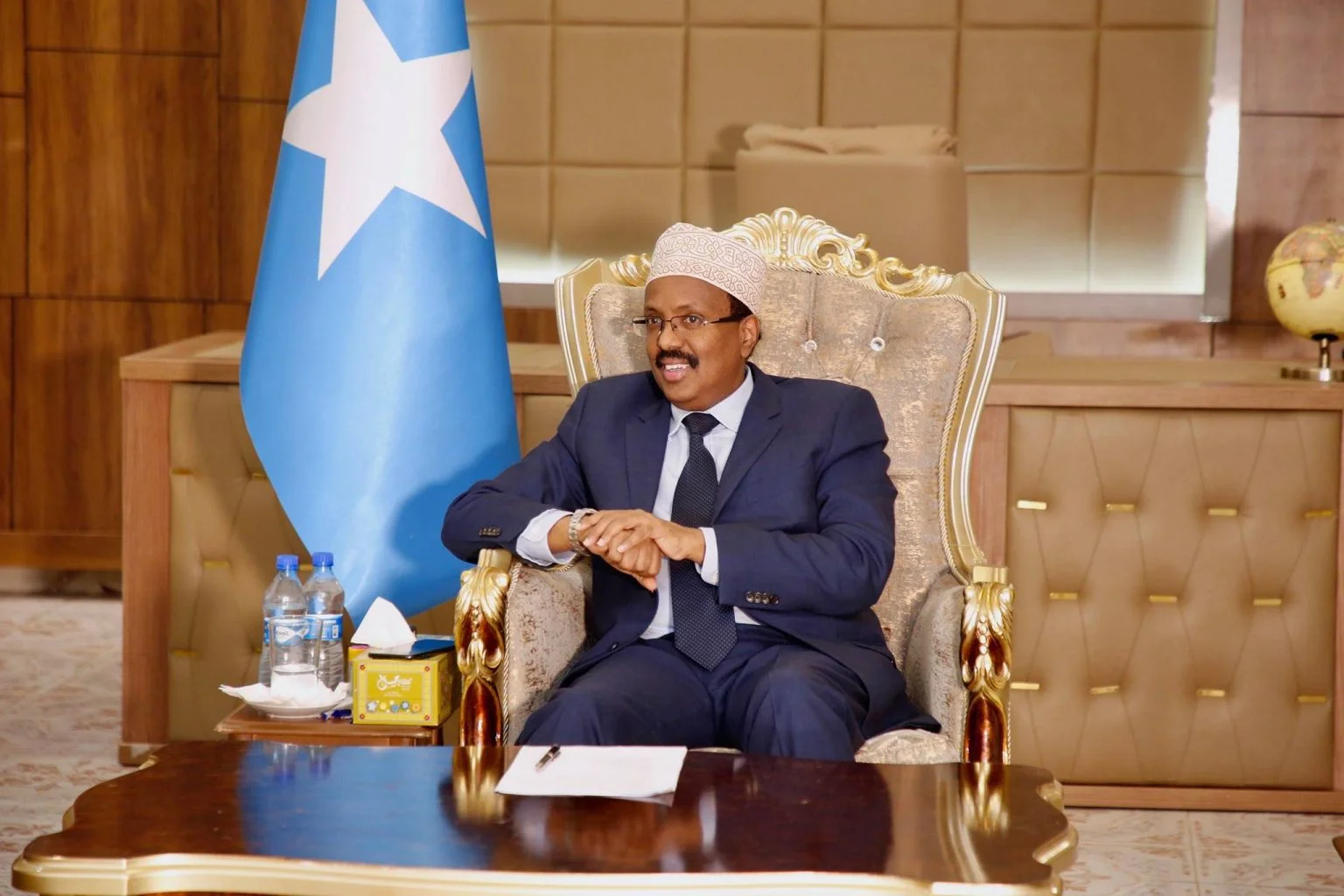
One of the administration’s notable public-service initiatives was the Is-Xilqaan Campaign, which encouraged government employees and citizens to participate voluntarily in rebuilding and maintaining public facilities.
The campaign promoted cooperation, shared ownership, civic responsibility and patriotism. It demonstrated how public institutions and citizens could work together to rebuild national facilities and strengthen confidence in collective action.
Youth Development and National Participation
President Farmaajo’s administration placed increasing emphasis on youth development and their participation in the country’s state-building process.
Security-sector reform helped renew youth interest in joining the Armed Forces, while broader social-development policies supported youth empowerment, employment creation and participation in rebuilding the country.
This approach reflected the belief that Somalia’s long-term stability and prosperity depend on equipping its youth with opportunities to serve, work, lead and contribute to national development.
“Let us continue these efforts—doubling them, reforming them and building new initiatives that will lead our nation to prosperity and success.”
Achievements
A Record of Reform, National Reconstruction and Public Service
Rebuilding National Security Institutions
Strengthening Justice and the Rule of Law
Public Financial and Economic Reform
Strengthening Good Governance, National Unity and National Institutions
Restoring Somalia’s Diplomatic Standing
Protecting Sovereignty and National Interests
Improving Education, Health and Social Services
The Is-Xilqaan National Initiative
Youth Development and National Participation
During his tenure as the ninth President of the Federal Republic of Somalia, President Mohamed Abdullahi Mohamed Farmaajo led an administration focused on restoring state authority, strengthening national institutions, rebuilding the armed forces, protecting Somalia’s sovereignty and improving the delivery of public services.
The administration pursued reforms across security, justice, public finance, governance, diplomacy and social development. These efforts were guided by the objective of rebuilding a capable Somali state, restoring public confidence in statehood and ensuring that government becomes a driver of stability and national development.
President Farmaajo’s administration placed national security at the centre of its state-building agenda. It strengthened coordination among security institutions and developed and implemented the National Security Plan.
The government also:
- Reformed and registered security personnel;
- Advanced legislation governing the armed forces;
- Rebuilt security-sector facilities;
- Regularised salaries and strengthened the welfare of security personnel;
- Expanded military training and professional development;
- Increased the number and capacity of somali forces;
- Liberated many important areas;
- Advanced the somalia transition plan for the gradual transfer of national security responsibilities to Somali institutions.
All these efforts helped restore confidence and prestige in the Somali Armed Forces, supported gains against terrorist organisations, contributed to reducing crime and encouraged greater numbers of Somali youth to join the national forces.
The administration recognised that public confidence in government depends on access to fair, professional and independent justice.
Important progress included:
- Advancing the establishment of the Judicial Service Commission;
- Adopting laws and procedures supporting the justice system;
- Constructing prisons and rehabilitation facilities;
- Facilitating the return of Somali citizens imprisoned abroad;
- Appointing qualified and experienced judges; and
- Decentralising judicial services to improve public access.
These measures were intended to strengthen the rule of law, improve the administration of justice and rebuild citizens’ confidence in national institutions.
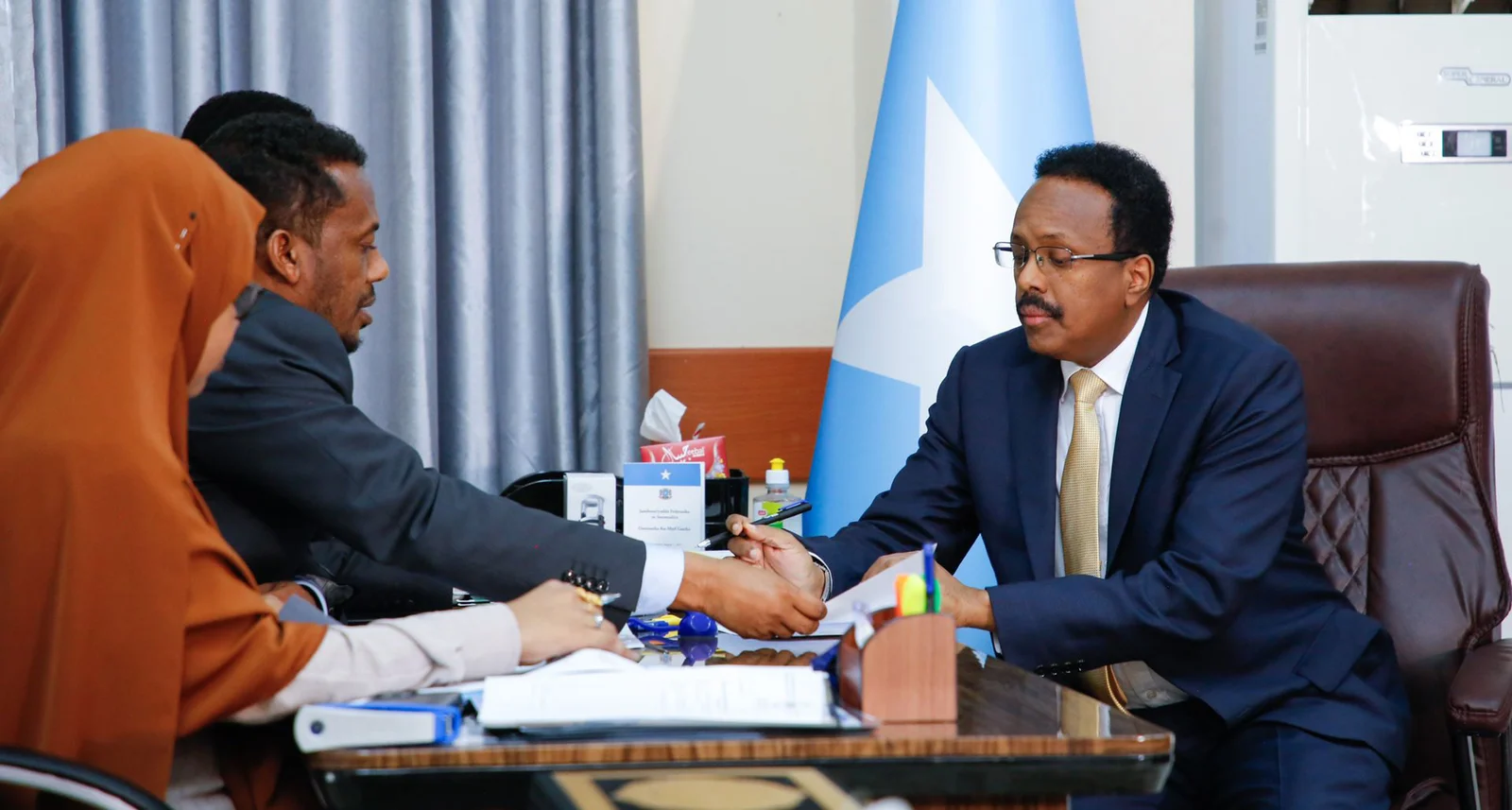
President Farmaajo’s administration introduced significant reforms in public financial management and strengthened the role of national institutions in managing public resources.
Achievements included:
- Reforming the national financial system;
- Increasing the national budget and domestic revenue;
- Expanding budget support;
- Advancing somalia’s debt-relief process;
- Increasing the number of development projects incorporated into the national budget;
- Strengthening relations with national and international financial institutions;
- Combating corruption;
- Protecting public assets;
- Encouraging investment; and
- Developing economic infrastructure.
The administration also worked to ensure that international grants and development projects were processed through Somalia’s national financial-management system, strengthening government ownership, oversight and accountability.
In domestic affairs and good governance, the administration implemented reforms to strengthen government institutions and national cohesion.
Its work included:
- Advancing national reconciliation;
- Ending conflicts and resolving longstanding social disputes, including the Galkayo peace process and the unification of the Galmudug sides;
- Accelerating dialogue with somaliland in pursuit of national unity;
- Extending and strengthening the federal system;
- Continuing the constitutional-review and completion process through an inclusive approach;
- Establishing and operationalising government institutions; and
- Implementing projects considered essential to citizens’ daily lives.
These efforts were designed to strengthen national unity, as well as the authority and effectiveness of government, while advancing the long-term objective of a united country with functioning and capable national institutions.
President Farmaajo’s administration pursued a foreign policy centred on safeguarding Somalia’s sovereignty, protecting the national interest and preserving the government’s independence in decision-making.
Key achievements included:
- Strengthening Somalia’s active diplomatic engagement;
- Expanding regional and international cooperation;
- Reinforcing the independence of Somalia’s foreign-policy decisions;
- Securing victory in Somalia’s maritime case;
- Increasing the country’s representation in international forums;
- Restoring national control over the management of Somali airspace;
- Joining international institutions and forums; and
- Advancing international legal instruments relevant to Somalia.
These diplomatic efforts contributed to restoring Somalia’s international profile and repositioning the country as a state capable of defending its interests and engaging the international community with greater confidence.
A central feature of President Farmaajo’s leadership was the protection of Somalia’s sovereignty and the alignment of foreign policy with national priorities.
His administration promoted international relations based on cooperation and mutual respect, while emphasising that Somalia’s relations with the world must protect the interests of the Somali people and government.
The administration regarded public service delivery as the most important measure of statehood. It therefore achieved tangible progress in education, healthcare, youth development and community infrastructure.
Notable achievements included:
- Building and strengthening public-service institutions;
- Improving the quality of healthcare services;
- Advancing educational standards, including opening free public schools for the first time since the collapse of the state;
- Expanding youth-development initiatives;
- Supporting employment creation; and
- Developing facilities serving communities and social programmes.
These efforts sought to ensure that government reform translated into practical improvements in the lives of Somali citizens.
One of the administration’s notable public-service initiatives was the Is-Xilqaan Campaign, which encouraged government employees and citizens to participate voluntarily in rebuilding and maintaining public facilities.
The campaign promoted cooperation, shared ownership, civic responsibility and patriotism. It demonstrated how public institutions and citizens could work together to rebuild national facilities and strengthen confidence in collective action.
President Farmaajo’s administration placed increasing emphasis on youth development and their participation in the country’s state-building process.
Security-sector reform helped renew youth interest in joining the Armed Forces, while broader social-development policies supported youth empowerment, employment creation and participation in rebuilding the country.
This approach reflected the belief that Somalia’s long-term stability and prosperity depend on equipping its youth with opportunities to serve, work, lead and contribute to national development.
Achievements
Justice & Rule of Law
Economic Reform & Public Financial Management
Historic Debt Relief Milestones
Anti-Corruption & Governance
Infrastructure & Development
Social Affairs & Institutional Development
Health System Expansion
Education Reform & Access
Foreign Policy, Diplomacy & Sovereignty
- Established Somalia’s first Judicial Service Council, strengthening independence and professionalism in the judiciary.
- Implemented the Justice and Corrections Model, clarifying the roles of courts, prosecutors, prisons, and rehabilitation services.
- Operationalized the Independent Anti-Corruption Commission in 2021 with active investigations and the first corruption prosecutions since state collapse.
- Expanded custodial infrastructure: renovated Mogadishu Central Prison, reopened custodial farms, vocational workshops, and introduced prison education up to secondary level.
- Revived the Afgooye Orphanage Centre, supporting around 300 vulnerable children.
- Introduced nationwide biometric registration of all civil servants and security forces, eliminating ghost workers and payroll leakages.
- Cleared historic salary arrears and ensured regular, direct-to-bank salary payments.
- Passed key economic laws including the Public Procurement Law, PFM Law, Petroleum Law, Customs & Revenue Acts, and Telecommunications Act.
- National budget increased from $168M (2016) to $377M (2021); domestic revenue grew from $113M to $230M, driven by tighter financial governance.
- Secured Somalia’s entry to the HIPC Debt Relief Decision Point in 2020—the country’s biggest financial breakthrough in decades.
- Achieved cancellation commitments of over $1.4 billion from Paris Club creditors, and $806 million from IMF, World Bank, and AfDB.
- Opened negotiations with non-Paris Club creditors covering an additional $1 billion, restoring Somalia’s global financial credibility.
- Activated the Independent Anti-Corruption Commission and initiated prosecutions of public officials implicated in corruption.
- Mandated direct salary payments to reduce diversion of government funds.
- Issued presidential decrees to protect state-owned land from illegal acquisition, especially during elections.
- Advanced professionalization and accountability across government institutions.
- Completed the Mogadishu–Afgooye Road (30 km) and advanced the Mogadishu–Jowhar corridor (90 km) to Balcad.
- Expanded Mogadishu Port capacity from 9,133 containers (2016) to 60,204 containers (2021).
- Modernized Aden Adde International Airport, including night-landing capability.
- Rehabilitated irrigation canals, developed agricultural policies, and led national response to locust invasions.
- Adopted a National Energy Policy, Electricity Bill, and 20-year Master Plan, and joined the Eastern Africa Power Pool.
- Launched the Is-xilqaan volunteer campaign restoring cultural landmarks: National Theatre, Stadium Mogadishu, National Museum, National Library, and historic monuments.
- Established and strengthened key state institutions such as the National Statistics Authority, National Civil Registration Authority, National Communications Authority, and Somali Construction Agency.
- Expanded federal health services through Banadir and Martini hospitals—providing free healthcare to over 100,000 citizens annually.
- Increased the health workforce to nearly 24,000 across 1,400 facilities.
- Raised the national health budget from $3.6M (2017) to $35.3M (2022).
- Led Somalia’s COVID-19 response: over 448,000 tests, 26,000+ cases managed, 2.1M vaccine doses administered—all while ensuring salaries continued throughout the crisis.
- Reopened or established 50+ public schools nationwide, providing free education to 150,000+ students.
- Established three specialized technical secondary schools (maritime, agriculture, and livestock).
- Reprinted the national curriculum for the first time since the civil war and distributed 2 million textbooks across 38 districts.
- Tested 30,000 teachers, trained 5,000, and opened new teacher training institutes.
- Expanded Somali National University to 7,000 tuition-free students, reopened the Gaheyr campus, and set up regional programs.
- Created the National Council for Higher Education, accrediting 41 universities.
- Reformed scholarship allocations benefiting 14,000+ students in Somalia and abroad.
- Pursued an independent, sovereignty-first foreign policy, including the Tripartite Agreement with Ethiopia and Eritrea for regional integration.
- Took a firm legal stance in the Kenya maritime dispute and secured a historic ICJ judgment (2021) in favor of Somalia.
- Regained full control of Somalia’s airspace (2017) after nearly 30 years, establishing a modern Civil Aviation Authority.
- Welcomed over 45 embassies and international organizations back to Mogadishu.
- Strengthened multilateral representation: Somalia became UNGA Vice-President, joined the UN Human Rights Council, and gained seats on WHO’s Executive Board.
- Increased investor confidence through SOMINVEST, engaging 1,200 foreign investors between 2019–2021 across agriculture, fisheries, energy, and telecom.
Major Contributions & Achievements
01
National Debt Relief & Economic Revival
One of the most historic accomplishments under Farmaajo’s leadership was guiding Somalia to reach the Highly Indebted Poor Countries (HIPC) debt relief decision point. This achievement:
- Restored confidence from international financial institutions
- Unlocked new avenues for development financing
- Enabled large-scale infrastructure and economic corridor projects
- Improved long-term fiscal stability and national creditworthiness
This milestone set Somalia on a path toward sustainable economic development—something the country had not achieved for decades.
02
Advancing Security & Reclaiming Territory
Security was central to Farmaajo’s agenda. Through military restructuring, improved command coordination, and strengthened alliances, his administration achieved:
- The recovery of key regions from al-Shabaab control
- Enhanced operational efficiency within the Somali National Army
- Stronger international security partnerships
- Increased civilian mobility and access to government services
These efforts significantly improved Somalia’s territorial stability and reinforced national sovereignty.
03
Anti-Corruption & Institutional Reforms
Farmaajo placed uncompromising emphasis on transparency, accountability, and structural reform. His initiatives included:
- Biometric registration of security forces, eliminating ghost soldiers and saving millions in public resources
- Strengthened revenue systems to enhance tax collection and reduce leakage
- Improved public financial management, boosting trust from global partners
- Accountability-driven institutions that enforced rules and reduced administrative malpractice
These reforms built a more disciplined and responsible government framework.
04
Rebuilding Culture, Identity & Infrastructure
Recognizing the importance of nationhood and identity, Farmaajo invested strongly in cultural revival and public infrastructure. His administration restored:
- The National Theater
- The National Museum
- The National Library
- The Mogadishu Stadium, a symbol of unity and national pride
He also advanced educational reforms, unified the national curriculum, and expanded opportunities for youth—laying a foundation for a more cohesive and educated generation.
05
Strengthening Somalia’s International Presence
Under Farmaajo, Somalia returned to the global stage with renewed confidence. His administration:
- Deepened regional and bilateral partnerships
- Improved Somalia’s standing at international forums
- Secured development, security, and humanitarian support
- Advocated for Somalia’s sovereignty and long-term stability
This elevated diplomatic presence allowed Somalia to engage more effectively in regional integration, global policy dialogues, and international cooperation.
06
Why Farmaajo Matters
Farmaajo’s leadership is distinguished by a commitment to nation-first governance, unity, and modernization. His work continues to shape:
- Somalia’s economic reforms and development roadmap
- National security policy and territorial integrity
- Federal governance structures and institutional accountability
- Diplomatic relations and global partnerships
- A growing movement for transparency, sovereignty, and patriotic leadership
He represents a vision of Somalia driven by discipline, dignity, progress, and national unity. His legacy continues to inspire Somalis who believe in a future where the country stands strong, self-reliant, and united.
Join Our Movement
Be part of the change Somalia needs. Together, we can build a brighter future for our nation and create opportunities for all Somalis.
Common questions
Have inquiries? Reach out to us!
We are here to help you with any questions or concerns you might have. Don’t hesitate to reach out to us anytime.
-
123 Democracy Lane, Washington, DC, 20001